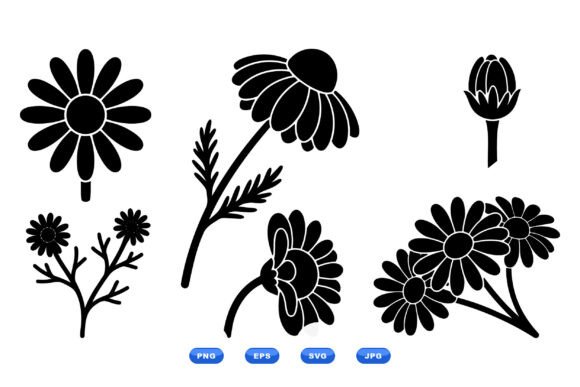
Decorative Element Silhouette Floral SVG Review
I have spent years reviewing embroidery files for everything from boutique branding to custom holiday gifts, and I know that the difference between a project that sells out and one that sits in inventory often comes down to the design itself. Today, I am evaluating the Decorative Element Silhouette Floral SVG, a product listed under Crafts and Graphics. My goal is not just to describe what it looks like on a screen, but to analyze how it behaves when converted into thread and stitched onto real materials.
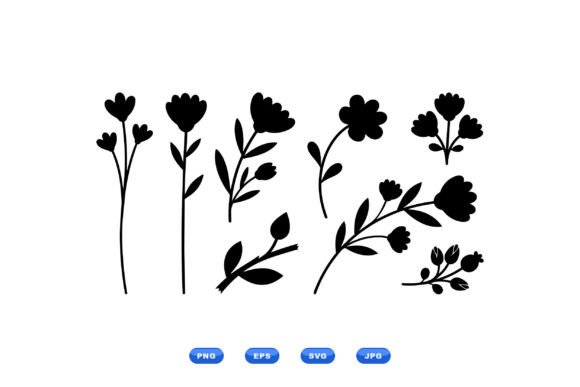
When you first open this file, the immediate impression is one of refined minimalism. The silhouette style strips away the noise of complex shading or intricate petal details, leaving only the essential shape of the floral form. For an embroidery designer, this is a double-edged sword that requires careful consideration. On one hand, the clean lines promise high stitch clarity; on the other, the lack of internal detail means the quality of the final product relies entirely on your choice of thread colors, stitch density, and fabric texture. It creates a mood that is elegant, modern, and slightly moody—a perfect fit for contemporary home decor or sophisticated apparel rather than whimsical children's wear.
From Screen to Stitch: A Real-World Scenario
To truly understand the potential of this decorative element silhouette floral clipart SVG printable, let's imagine a specific scenario. I am preparing a batch of custom embroidered tote bags for a local artisan market. These are meant to be sold as part of a "Botanical Collection" alongside handmade soaps and candles. The client wants something that looks expensive but remains versatile enough to match various color palettes.
This is where the Decorative Element Silhouette Floral SVG shines. Because the design is a solid silhouette, it translates beautifully to large fill stitches. When I loaded the file into my digitizing software, the vector paths were clean, which usually indicates fewer errors during the stitching process. However, the challenge lies in the execution. If I simply run a standard satin stitch outline, the bag might look flat. To elevate the embroidery project, I would recommend using a combination of a dense fill stitch for the flower body and a contrasting running stitch or decorative edge stitch for the perimeter.
In this context, the finished product gains a premium feel. The negative space around the silhouette allows the canvas of the tote bag to breathe, making the embroidery pop without overwhelming the garment. Customers browsing a craft fair stall are drawn to designs that look intentional and polished. This silhouette design offers a level of sophistication that generic floral patterns often miss. It signals to the buyer that the maker cares about composition, which directly impacts customer trust and perceived value.
Where This Design Excels
The versatility of this graphic makes it a strong candidate for several key use cases in the handmade industry. For small business owners looking to expand their custom apparel line, this design works exceptionally well on sweatshirts and hoodies. The solid shape holds up well against the thicker fabric, creating a bold statement piece that doesn't require excessive stitching time.
- Tote Bag Designs: As mentioned, the large scale works perfectly here. It can be centered on a canvas bag or repeated in a border pattern along the bottom hem.
- Baby Embroidery: While the silhouette is mature, its simplicity makes it safe for baby items like bibs or onesies. It avoids the tiny, potentially snag-prone details found in more complex designs.
- Holiday Embroidery: Imagine this design stitched in deep emerald green on a white linen pillow cover for Christmas, or in soft pastels for spring. The silhouette nature allows it to adapt to any seasonal theme through thread selection alone.
- Embroidered Patches: If you plan to sell these as iron-on patches, the clean edges make trimming and finishing much easier compared to designs with loose, stray threads.
For digital product sellers, this digital embroidery file is also a valuable asset. You can create printable mockups showing the design on various backgrounds to help customers visualize the final result before they purchase the physical item. The clean lines render sharply in digital previews, ensuring that your Etsy listings or online shop look professional and trustworthy.
Practical Considerations and Potential Pitfalls
However, no design is without its challenges. As an experienced reviewer, I must point out where the Decorative Element Silhouette Floral SVG requires caution. The very simplicity that gives it elegance can also lead to problems if not managed correctly.
Small Hoop Sizes: If you attempt to stitch this in a very small hoop (like 4x4 inches), the silhouette may lose its definition. The curves could become blocky, and the overall shape might look distorted. Always ensure the design is scaled appropriately for the intended hoop size.
Fabric Texture and Stability: This design relies heavily on the contrast between the thread and the fabric. On textured fabrics like bouclé or heavy tweed, the silhouette might get lost in the weave. Similarly, on stretchy knits, a large fill area can cause puckering if the correct stabilizer is not used. You must test the design on scrap fabric first to determine the right stabilizer weight. Without proper support, the tension of the fill stitch will distort the fabric, ruining the finished product.
Dense Stitch Areas: Since the design is a solid shape, it likely utilizes a high stitch density. If you do not adjust the settings, you risk over-saturating the fabric, making it stiff and difficult to wear or wash. For items like kitchen towels or aprons that need to remain soft and absorbent, you may need to reduce the stitch count or switch to a lighter fill pattern.
Dark Fabrics: A silhouette implies a solid block of color. On dark fabrics, unless you use a light-colored thread or add a backing layer, the design will disappear. In commercial embroidery, visibility is key. If you are selling to a broad audience, consider how this design performs on both black and white backgrounds.
Essential Designer Notes for Success
Before you commit to a production run or list this item on your shop, there are a few critical steps to take. First, check the thread colors available in your machine. A single-color fill might look cheap if the thread quality is poor. Invest in high-quality polyester or rayon threads to maintain the brand consistency of your handmade products.
Second, inspect the small details of the file. Even though it is a silhouette, look at the corners and curves. Are they smooth? Do they require excessive trimming? If the design has jagged edges, it will reflect poorly on your craftsmanship. Third, confirm the licensing terms. Many designers assume that buying a file allows for unlimited commercial use, but this varies. Ensure you have the rights to sell commercial embroidery projects made with this design.
Finally, always test the design in black and white mockups. This helps you see the true shape and balance without the distraction of color. Compare light and dark fabric backgrounds to ensure the design remains legible across different product lines.
The Decorative Element Silhouette Floral SVG is a powerful tool for creators who understand the nuances of machine embroidery. It offers a sleek, modern aesthetic that can elevate a simple tote bag into a boutique-worthy accessory. However, its success depends on the skill of the operator. By paying attention to stitch density, fabric choice, and stabilization, you can turn this digital graphic into a tangible, high-value handmade product that customers will love. Whether you are a hobbyist making personalized gifts or a seasoned Etsy seller building a brand, this design deserves a spot in your toolkit—but only after you have tested it thoroughly.